How I Cracked Early Retirement with a System That Actually Works
What if early retirement wasn’t just for the wealthy or lucky? I spent years stressed, overspending, and clueless about real financial planning—until I built a system that changed everything. It’s not about get-rich-quick schemes or risky bets. This is about consistency, smart moves, and avoiding the traps most people fall into. Let me walk you through the exact path that helped me gain control, grow wealth steadily, and design a life I actually wanted—years ahead of schedule. No magic, no inheritance, no windfall. Just a repeatable strategy rooted in discipline, clarity, and long-term thinking. And the best part? It’s accessible to anyone willing to start, stay consistent, and protect what they build.
The Wake-Up Call: Why I Needed a Real Plan
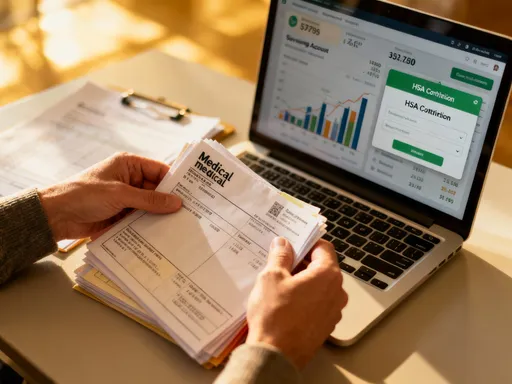
For years, I believed I was doing everything right. I had a stable job, paid my bills on time, and even saved a little each month. But when an unexpected medical expense hit—something that shouldn’t have derailed me financially—I found myself dipping into credit cards, scrambling to cover costs, and feeling more anxious than ever. That moment exposed a harsh truth: having income didn’t mean I had control. I was living paycheck to paycheck, not because I earned too little, but because I had no real financial system. Savings were an afterthought, investing was a mystery, and retirement felt like a distant fantasy only for those with six-figure salaries or lucky stock picks.
The turning point came when I calculated how long it would take to retire at my current pace. The answer? Late 70s. That realization shook me. I wasn’t just delaying retirement—I was risking a future defined by financial stress, limited choices, and dependency. I wanted freedom. I wanted time. I wanted the ability to say no to things that didn’t serve me. But none of that was possible without a plan grounded in reality, not hope. I began researching, not for quick fixes, but for sustainable strategies that had worked for ordinary people. What I discovered wasn’t glamorous, but it was powerful: early retirement isn’t about earning more—it’s about managing what you have with intention, protecting it wisely, and letting compounding work in your favor over time.
More than numbers, it was the emotional weight of uncertainty that pushed me to act. The constant background hum of financial anxiety—the fear of job loss, the guilt over overspending, the dread of future expenses—was exhausting. I realized that financial freedom wasn’t just about money; it was about peace of mind. And that peace wouldn’t come from occasional savings or hopeful budgeting. It required a system—something repeatable, measurable, and resilient enough to withstand life’s surprises. That’s when I committed to building one.
Building the Foundation: Budgeting That Doesn’t Suck
When I first tried budgeting, I approached it like a diet—strict, temporary, and doomed to fail. I’d track every dollar for a week, cut out all non-essentials, feel deprived, and eventually give up. The problem wasn’t the concept of budgeting; it was the approach. I was treating it as punishment instead of clarity. The breakthrough came when I shifted my mindset: budgeting isn’t about restriction—it’s about awareness. It’s the financial equivalent of turning on the lights in a dark room. Suddenly, you can see where your money is going, what’s worth keeping, and what’s quietly draining your potential.
I started simple. For one full month, I tracked every single expense—not to judge myself, but to observe. What I found was eye-opening. Small, recurring charges—subscriptions I’d forgotten about, convenience purchases, automatic renewals—were adding up to hundreds each month. These weren’t luxury splurges; they were invisible leaks. Once I could see them, I could fix them. I didn’t eliminate everything, but I made conscious choices. One streaming service stayed; two were canceled. The meal delivery subscription? Paused. The gym membership I never used? Terminated. Redirecting just $300 a month made an immediate difference.
The real game-changer was automating my budget. Instead of waiting to see what was left at the end of the month, I treated savings like a non-negotiable bill. On payday, a fixed percentage went straight into savings and investment accounts before I even touched the rest. This ‘pay yourself first’ method removed temptation and built discipline over time. I also categorized my spending into three buckets: needs (rent, groceries, utilities), growth (savings, investments, debt repayment), and wants (dining out, entertainment, travel). This structure gave me flexibility—because yes, I still enjoyed life—but kept my priorities in focus. Over time, the ‘growth’ category grew, not because I earned more, but because I spent with intention.
Investing Without the Hype: What Actually Grows Wealth
For years, I avoided investing because it felt like gambling. I’d hear stories of people making fortunes in crypto or day-trading stocks, but I didn’t want to risk my hard-earned money on something I didn’t understand. What changed my mind was learning the difference between speculation and investing. Speculation is chasing trends, trying to time the market, and betting on volatility. Investing, when done right, is the opposite: it’s patient, disciplined, and rooted in long-term growth. I realized I didn’t need to be a Wall Street expert—I just needed a simple, proven strategy.
That strategy centered on low-cost index funds. These funds track broad market indexes like the S&P 500, giving instant diversification across hundreds of companies. Unlike picking individual stocks, which is risky and time-consuming, index funds spread the risk and historically deliver strong average returns over time. I chose funds with minimal expense ratios—those tiny fees that eat into returns over decades. A 1% fee might seem small, but over 30 years, it can cost you tens of thousands in lost growth. By keeping fees low, I maximized what stayed in my pocket.
Compound growth became my most powerful ally. It’s not flashy, but it’s relentless. When your investments earn returns, and those returns earn returns, the effect snowballs—especially over time. I didn’t need to double my money overnight. I just needed to stay consistent, reinvest dividends, and avoid pulling out during market dips. In fact, downturns became opportunities to buy more at lower prices. The key wasn’t timing the market; it was time in the market. I set up automatic contributions to my investment accounts every month, rain or shine. This dollar-cost averaging smoothed out volatility and removed emotion from the equation.
I also chose platforms that made investing accessible and low-pressure. No flashy apps pushing risky trades, no confusing jargon. Just straightforward tools that let me invest regularly, monitor progress, and stay the course. Over time, my portfolio grew—not explosively, but steadily. And that steady growth, compounded over years, became the foundation of my financial independence.
The Income Multiplier: Beyond the 9-to-5
At first, I thought early retirement was just about saving more. But I quickly realized that no matter how frugal I became, there was a limit to how much I could cut. The real leverage came from increasing income. Not through risky ventures or endless side hustles, but through strategic, scalable efforts that aligned with my skills. This wasn’t about working more hours—it was about working smarter, creating value, and redirecting that extra income into my financial engine.
I started with freelance work in my area of expertise. It wasn’t glamorous, but it was doable. I took on small projects in the evenings and weekends, gradually building a client base. The key was consistency and quality. Over time, word spread, and I was able to raise my rates. What began as a few hundred dollars a month turned into a reliable secondary income stream. But I didn’t stop there. I explored passive income—efforts that could generate returns without constant time investment. This included creating digital products like templates and guides based on my professional experience. Once built, they required minimal maintenance but continued to earn over time.
Not every side project worked. I tried a few that consumed time but delivered little return—lessons in what not to do. The ones that succeeded had two things in common: they leveraged existing skills, and they scaled without requiring proportional time. For example, writing an e-book took weeks, but once published, it could sell indefinitely. That scalability is what made the difference. I also made a rule: every dollar earned from side income went straight into investments. No lifestyle upgrades, no splurges. This discipline accelerated my timeline significantly. Within a few years, my passive and freelance income covered my basic living expenses—a major milestone on the road to early retirement.
Risk Control: Protecting What You’ve Built
Building wealth is only half the battle. The other half is protecting it. No matter how well you invest or how much you earn, a single unexpected event—a medical emergency, job loss, or major repair—can wipe out years of progress. That’s why risk management became a non-negotiable part of my system. It wasn’t exciting, but it was essential.
The first layer of protection was an emergency fund. I aimed for six to twelve months of living expenses in a high-yield savings account—liquid, safe, and separate from my investments. This wasn’t meant to grow wealth; it was meant to prevent panic. When life throws a curveball, you don’t want to sell investments at a loss or go into debt. The emergency fund gave me breathing room, allowing me to make rational decisions instead of reactive ones.
Next came insurance. I reviewed my health, disability, and home/renters coverage to ensure I was adequately protected without overpaying. Disability insurance, in particular, is often overlooked but critical—it replaces income if you can’t work due to illness or injury. For someone relying on a steady income to fund their retirement plan, this protection is invaluable. I also avoided the trap of lifestyle inflation. As my income grew, it would have been easy to upgrade my apartment, buy a new car, or dine out more often. But each of those upgrades would have increased my burn rate—the amount I needed to cover each year—pushing retirement further away. By keeping my lifestyle modest, I lowered the financial bar for retirement and made early freedom more achievable.
Emotional discipline was just as important. Markets fluctuate. There will be years when your portfolio loses value. The instinct is to sell and run. But history shows that staying the course—continuing to invest, rebalancing when needed, and avoiding panic—leads to better long-term outcomes. I reminded myself that volatility is normal, not a failure. Protecting my wealth meant protecting my mindset as much as my money.
The Timeline Test: Mapping Progress Year by Year
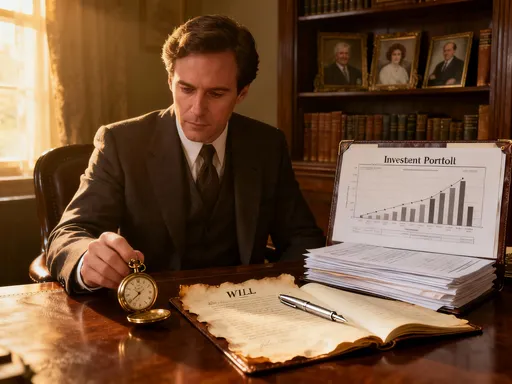
Dreams are powerful, but they don’t build wealth. Specific, measurable goals do. Early on, I set a clear target: retire by 50 with enough passive income to cover my essential expenses. This wasn’t arbitrary—I calculated my annual spending, factored in inflation, and determined how much I needed to save and invest to reach that number. Breaking it down into yearly milestones made the journey less overwhelming. Instead of focusing on the distant finish line, I tracked progress each quarter: net worth growth, savings rate, investment returns, and passive income generated.
Seeing these numbers improve—even slowly—was incredibly motivating. In year one, my passive income covered 5% of my expenses. By year five, it was 25%. Each small win reinforced the system. When life changed—a move, a new job, a family event—I adjusted the plan, but never abandoned it. Flexibility within structure kept me on track. I also celebrated non-financial milestones: paying off credit card debt, building the full emergency fund, hitting a six-figure investment balance. These weren’t just numbers; they were proof that the system worked.
The timeline also helped me avoid comparison. It’s easy to feel discouraged when others seem to be moving faster. But everyone’s starting point, income, and goals are different. My focus stayed on my own progress. Over time, the abstract idea of ‘early retirement’ became a tangible reality. I could see the finish line approaching. And when I finally reached financial independence, it wasn’t a surprise—it was the result of years of consistent action, guided by a clear map.
Living It: What Early Retirement Actually Feels Like
When I officially stepped away from full-time work, I expected euphoria. What I felt was something deeper: calm. The constant pressure to perform, to hustle, to prove my worth through productivity—lifted. For the first time in years, I wasn’t measuring my days by output or income. I was free to choose how to spend my time. That freedom didn’t mean luxury vacations or extravagant spending. It meant simplicity, presence, and intention. I could take a walk in the middle of the day. I could read for hours. I could say yes to meaningful projects and no to anything that didn’t align with my values.
Financial independence changed my relationship with money. It was no longer a source of stress or scarcity. It was a tool that gave me options. I still live modestly, not because I have to, but because I choose to. This restraint ensures my resources last, and it keeps me grounded. I’ve also found new ways to contribute—mentoring others on their financial journeys, volunteering, and creating content to help people avoid the mistakes I made. The satisfaction from these activities far exceeds anything I gained from a paycheck.
What I’ve learned is that early retirement isn’t about stopping work. It’s about reclaiming time. It’s about designing a life where your choices aren’t dictated by financial necessity. The system that got me here wasn’t complicated, but it required patience, discipline, and a willingness to ignore noise. It wasn’t built in a day, but it was built every day—through small decisions, consistent actions, and a clear vision. If you’re feeling stuck, overwhelmed, or unsure where to start, know this: you don’t need a miracle. You need a plan. And that plan starts with a single step—today.