From Overwhelmed to Effortless: How Smart Lighting Gave My Home Back Its Calm
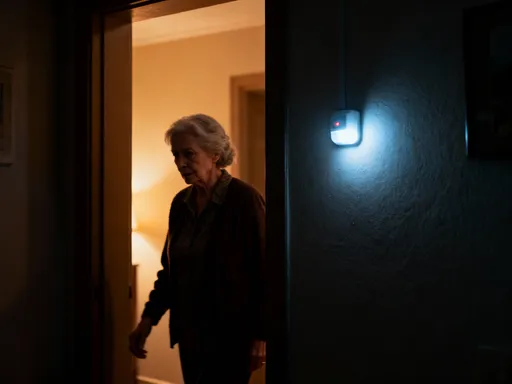
Life at home used to feel like a constant juggling act—lights too harsh when I walked in tired, kids resisting bedtime, mornings rushed and stressful. I didn’t realize how much the lighting affected our moods until I tried smart lighting scenes. What started as a small upgrade turned into a surprising transformation. Suddenly, evenings felt cozier, mornings smoother, and the whole house seemed to breathe easier. It wasn’t just about brightness—it was about creating the right feeling, exactly when we needed it. That soft glow in the hallway at night, the gentle morning rise of light in the bedroom, the warm flicker in the living room after dinner—each one became a quiet signal that said, ‘You’re safe. You can relax.’ And honestly, that made all the difference.
The Little Thing That Was Constantly Off: Lighting and Daily Life
Have you ever walked into your house after a long day and felt instantly more tired—because the lights were too bright? Or tried to read in the living room only to realize the overhead fixture was casting harsh shadows across the page? We don’t think about lighting much, but it’s always working behind the scenes, shaping how we feel. For years, I treated lighting like background noise—something that just had to work, not something that could actually help me. Then I started paying attention. I noticed how my kids would squint and complain when I flipped on the kitchen lights in the morning. How my husband would groan and cover his face if the bathroom light came on too suddenly. How I’d feel tense, even anxious, when I came home to a house that felt more like an office than a sanctuary.
It turns out, our eyes aren’t just for seeing—they’re deeply tied to our internal rhythms. Light tells our brain when to wake up, when to focus, and when to slow down. But most of us are living under the same flat, bright, unchanging lights from morning to night. That’s like wearing winter boots in July—functional, maybe, but not exactly comfortable. I began to see that our lighting wasn’t just inconvenient; it was actually working against us. It was making mornings harder, evenings noisier, and transitions between activities more jarring. We were fighting our environment without even knowing it. The irony? The fix wasn’t complicated. It wasn’t about renovating or rewiring. It was about giving our lights a little more sense of timing—and a little more heart.
Discovering Scenes: More Than Just Turning Lights On
I first heard about smart lighting from a friend who mentioned she could change the mood of her living room with her phone. I rolled my eyes a little—seemed like tech for tech’s sake. But then she showed me her ‘Evening Wind Down’ scene: warm, dim light glowing softly from the corners of the room, like candlelight without the fire hazard. I sat down, and within minutes, I felt my shoulders drop. That’s when it hit me: lighting isn’t just about visibility. It’s about atmosphere. It’s about how a room makes you feel the moment you walk in.
Smart lighting scenes are like playlists for your home’s mood. Instead of manually adjusting every bulb, you create a preset—say, ‘Relax’ or ‘Good Morning’—that sets the color, brightness, and even which lights turn on. You can name them whatever makes sense to you. I have one called ‘Cozy Time’ that turns on just the floor lamp and the kitchen under-cabinet lights at 30% brightness with a warm, amber tone. I activate it with a voice command: ‘Hey, it’s time to unwind.’ No buttons, no walking around flipping switches. Just one phrase, and the house responds.
The first time I used my ‘Evening Calm’ scene, I was exhausted from a work call and a grocery run. I walked in, said the words, and instantly the entryway and living room lit up in a soft, golden glow. I didn’t have to think about it. I didn’t have to do anything. And for the first time in weeks, I didn’t feel like I had to power through. I just… stopped. That’s when I realized smart lighting wasn’t about control—it was about care. It was a way of saying, ‘I see you. You’ve had a hard day. Let the house take over for a minute.’
Mornings That Don’t Feel Like a Battle
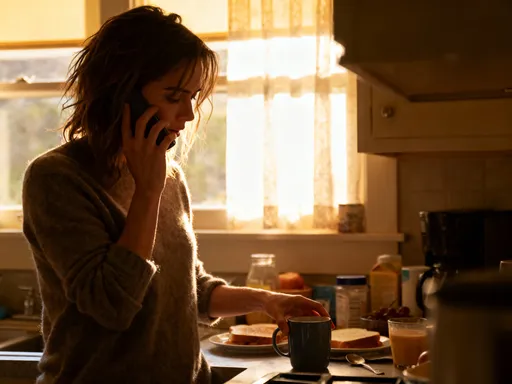
Mornings used to be the worst. Alarms blaring, kids dragging their feet, me rushing around trying to get everyone fed, dressed, and out the door. And the lighting? Harsh, sudden, fluorescent-like brightness that felt like a slap in the face. I remember one morning when my daughter burst into tears because the bathroom light ‘hurt her eyes.’ I thought she was being dramatic—until I realized the light was actually jarring. We were all being shocked awake, not eased into the day.
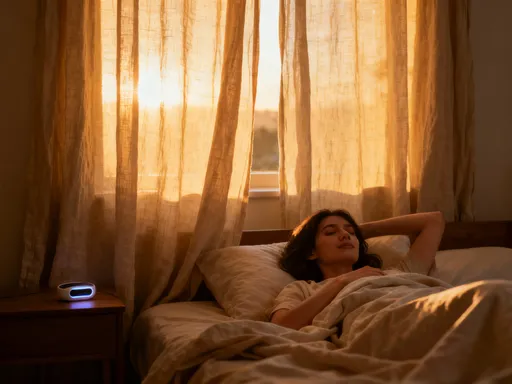
Then I set up a ‘Sunrise’ scene in the bedrooms. It starts 30 minutes before the alarm, gradually brightening the lights from a deep, warm red to a soft daylight tone. No sudden flashes. No loud alarms at first. Just a slow, natural-like transition from dark to light, mimicking how the sun rises in real life. The first morning we used it, my son walked into the kitchen and said, ‘I didn’t even hear the alarm. I just felt ready.’ My daughter didn’t cover her eyes. She didn’t cry. She just got up, stretched, and said, ‘It felt like the sun came in through the walls.’
That small change shifted everything. Mornings are still busy—I won’t pretend we’re sipping tea in silence—but they’re calmer. There’s less resistance, less yelling, less of that frantic energy that used to hang over us like a cloud. The kids aren’t fighting their bodies’ natural rhythms; they’re being guided into wakefulness gently. And I’m not starting the day already drained. I’m meeting it with a little more patience, a little more presence. That’s worth more than any productivity hack I’ve ever tried.
Calmer Evenings, Stronger Routines
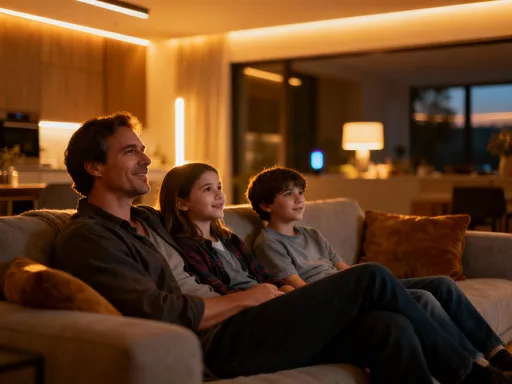
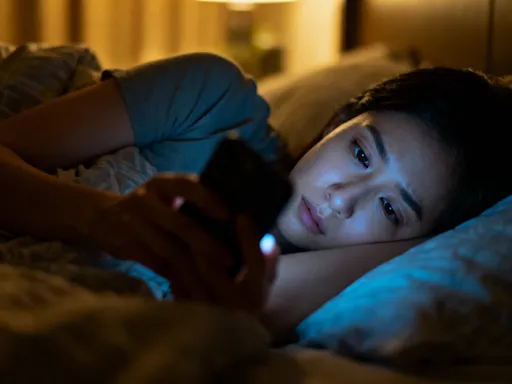
Evenings with kids can be a minefield. Homework, dinner, bath time, screen time battles—it’s easy for the whole house to spiral into chaos. We used to end the day with everyone overstimulated, glued to tablets or arguing over one more episode. I’d beg for screen time to end, knowing blue light was keeping them awake, but it always turned into a power struggle. Then I tried something different: a ‘Wind Down’ scene that turns on at 7:30 p.m. automatically. It dims the main lights, warms the color, and turns on a few soft lamps in the living room and hallway.
I paired it with a simple rule: when the lights change, screens go down. At first, there was grumbling. But within a week, it became part of the rhythm. The lighting itself became the signal. I didn’t have to say, ‘It’s time to stop watching.’ The house said it for me. And because the light was so warm and cozy, it didn’t feel like a punishment. It felt like an invitation: ‘Come sit. Let’s read. Let’s talk. Let’s just be.’
What surprised me most was how quickly their bodies responded. Within days, my daughter started yawning earlier. My son stopped bouncing off the walls and actually curled up with a book. I realized our eyes were telling our brains it was time to slow down—no lectures needed. The science is real: warm, dim light supports melatonin production, the hormone that helps us sleep. But I didn’t need to explain that to my kids. They just felt it. And so did I. The house wasn’t just quieter—it was more connected. We were present in a way we hadn’t been in months.
Unexpected Help for Focus and Quiet Time
I didn’t expect smart lighting to help with focus, but it did. I set up a ‘Concentrate’ scene for homework time and my own work-from-home hours. It uses a balanced, cool-white light—bright enough to keep us alert, but not so harsh that it feels clinical. I use it in the kitchen nook, which doubles as a homework station, and in my small office corner. The difference was subtle at first, but over time, I noticed fewer distractions. My son stopped fidgeting as much. I stayed on task longer without needing to get up every 10 minutes.
It’s not magic—it’s biology. Cool, bright light helps regulate alertness by suppressing melatonin during the day. But again, I didn’t have to explain that. I just saw the results. When the ‘Concentrate’ scene turns on, it’s like the house says, ‘This is work time.’ No yelling, no reminders. Just a shift in the air. Even our dog seems to get it—he now curls up in his bed under the soft glow of the bookshelf light when this scene is active, like he knows it’s quiet time.
What I love most is how this scene supports independence. My kids know that when the lights change, it’s time to focus. They don’t need me hovering. I can be in another room, and they stay on track. That’s huge for a mom who’s trying to balance work, home, and self-care. It’s not about replacing parenting—it’s about creating an environment where good habits can thrive with less effort. And honestly, that’s the kind of support I didn’t know I needed.
Hosting Without the Hustle
Hosting used to stress me out. I’d spend the whole day cleaning, then the last hour before guests arrived running around adjusting lamps, turning off overhead lights, lighting candles, and trying to get the ‘mood’ just right. And if I forgot, the house would feel too bright, too sterile, like a waiting room. Then I created a ‘Gather’ scene. With one tap on my phone or a voice command, it sets the living room, dining area, and entryway to a warm, inviting glow—around 2700K, the same tone as candlelight. The overheads stay off. The accent lights come on. It’s cozy, welcoming, and effortless.
The first time I used it, a friend walked in and said, ‘Wow, your house feels so warm tonight. Did you get new lamps?’ I smiled and said, ‘No, just new lighting.’ She didn’t ask how it worked. She just felt it. That’s the beauty of good smart lighting—it’s invisible in the best way. The tech fades into the background, and the feeling takes center stage.
Now, I can switch scenes depending on the moment. ‘Dinner’ is slightly brighter, focused on the table. ‘After Dark’ is even softer, perfect for conversation and dessert. No more scrambling. No more second-guessing. I can actually enjoy my guests instead of playing lighting director. And my confidence has grown—because I know, no matter what, I can set the tone in seconds. That little bit of ease makes hosting feel joyful again, not exhausting.
A Home That Feels More Like *Us*
Looking back, I realize smart lighting didn’t just change how my house looks—it changed how it feels. It’s not about having the fanciest tech or the most gadgets. It’s about creating a space that supports us, moment by moment. The ‘Sunrise’ scene doesn’t just wake us up—it gives us a gentler start. The ‘Wind Down’ scene doesn’t just dim the lights—it helps us reconnect. The ‘Concentrate’ scene doesn’t just brighten the room—it helps us focus without friction. And the ‘Gather’ scene doesn’t just set a mood—it makes people feel welcome, seen, and at ease.
What I love most is how these small changes added up to something bigger. Our home feels more intentional. More peaceful. More like *us*. It’s not perfect—there are still messy days, loud moments, and forgotten homework. But the foundation feels stronger. The lighting holds the space for us, even when we’re overwhelmed. It’s like having a quiet helper who knows just what we need, when we need it.
Real tech wins aren’t flashy. They’re not about speed or power or the latest trend. They’re about making life a little softer, a little easier, a little more human. Smart lighting didn’t solve all my problems—but it gave me back something precious: calm. And in a world that never slows down, that might be the most revolutionary thing of all.