From Overwhelmed to Empowered: How Social Platforms Helped Me Master My Days
You know that feeling—endless scrolling, constant notifications, yet still missing important moments? I used to drown in digital noise, too. But what if the same apps we blame could actually bring calm, connection, and clarity? It wasn’t until I flipped the script on social media that my days became intentional, my goals clearer, and my life richer. This is not about quitting tech—it’s about using it *for* you. I’m not a tech expert or influencer. I’m just a woman who once felt buried under emails, updates, and the pressure to keep up. Now, I wake up with focus, move through my day with purpose, and end it feeling accomplished—all because I learned to turn social platforms into allies, not enemies.
The Burnout Spiral: When Staying Connected Felt Like Falling Apart
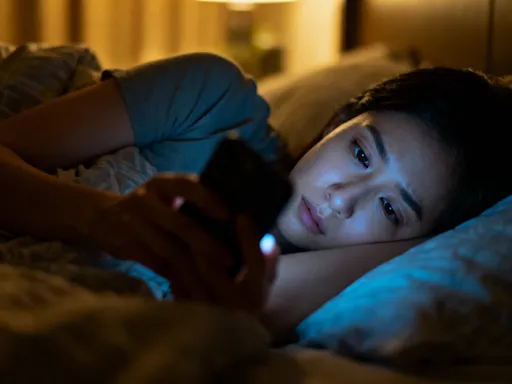
There was a time when I thought being connected meant being successful. I had every app installed, every notification turned on, and I checked my phone before my feet even hit the floor in the morning. I told myself I was staying informed, but really, I was just anxious. I remember one night lying in bed, phone in hand, watching a friend’s vacation video from Bali while my own kids’ school project sat unfinished on the kitchen table. I felt guilty, drained, and strangely lonely—even though my phone buzzed with messages and likes.
My feed was a chaotic mix of parenting memes, fitness challenges, political debates, and ads for things I didn’t need. I wasn’t absorbing useful information—I was just reacting. Every post felt like a comparison: Why isn’t my kitchen that clean? Why haven’t I started a side hustle? Why does everyone else seem so calm? The more I scrolled, the more I felt like I was failing. I started skipping walks with friends because I was “catching up” online. I stopped journaling because I was too tired after hours of passive consumption. My routines fell apart, my sleep suffered, and my confidence dipped.
And then it hit me: the tools weren’t the problem. I was using them wrong. I was treating social media like a performance stage instead of a support system. I was letting algorithms decide what I saw instead of choosing what served me. That night, I made a quiet promise to myself—I wouldn’t delete my accounts, but I would change how I used them. I wasn’t going to run from technology. I was going to reclaim it.
Shifting Focus: From Social Scrolling to Skill Sharing
The first real shift happened by accident. I was trying to stick to a morning routine—waking up early, drinking water, journaling, and avoiding my phone for the first 30 minutes. It felt impossible at first. But after a week, I felt proud. So, on a whim, I posted about it: “Day 7 of no phone before journaling. I still want to scroll, but I’m choosing presence instead.” I didn’t expect much. But the responses surprised me. A friend said, “I’ve been wanting to do that too—can we check in weekly?” Another wrote, “You just gave me permission to try.”
That small post sparked something. I realized I wasn’t alone—and that sharing my struggles could help others feel less alone too. So I started posting more: not perfect moments, but real ones. A photo of my messy planner with the caption, “Trying bullet journaling. It’s ugly, but I’m tracking my time better.” A short video of my evening walk: “No destination, just fresh air and a break from screens.” I wasn’t chasing likes. I was building honesty.
Soon, I began following accounts that focused on growth, not glamour. I found communities centered around mindful tech use, simple living, and personal development. One group, focused on “slow productivity,” changed everything. Members shared how they used timers, batch tasks, and digital detox days—not to do more, but to feel more in control. I started applying their tips, and slowly, my relationship with time improved. I wasn’t just consuming content anymore. I was engaging with ideas that helped me live better. The shift wasn’t instant, but it was steady. My feed stopped being a source of pressure and started becoming a quiet source of support.
Building a Learning Loop: How Posting Strengthens Personal Growth
One of the most powerful lessons I’ve learned? When you share your goals, they become real. There’s something about typing out “I’m going to read one book a month” and hitting “post” that makes it feel official. It’s no longer just a thought in your head—it’s a promise you’ve made in public. And that changes how you show up.
I started sharing what I was reading, not to impress, but to reflect. After finishing a book on mindfulness, I wrote a short post: “Three things this book taught me: 1) Breathe before reacting. 2) Small pauses matter. 3) My worth isn’t tied to my productivity.” I was nervous—what if people thought it was too simple? But the response was warm. A friend commented, “I needed that reminder today.” Another asked, “Can you recommend a beginner-friendly book on this?” That conversation led me to research more, which deepened my understanding. Explaining what I’d learned helped me remember it.
Over time, I noticed a pattern: every time I shared something I was learning, I retained it better. Writing it out forced me to organize my thoughts. Responding to questions helped me clarify my values. Even when I didn’t get many likes, the act of sharing created a feedback loop that strengthened my growth. My social platforms became a personal development journal—visible, interactive, and alive. I wasn’t just collecting knowledge. I was living it, one post at a time. And that made all the difference between knowing and doing.
Curating for Calm: Designing a Feed That Supports Your Life
Not all content is created equal. Some feeds energize you. Others drain you. I realized mine was full of the latter. I followed influencers who made me feel inadequate, news pages that left me anxious, and brands that made me feel like I needed more—more products, more energy, more time. I wasn’t being intentional. I was just accumulating digital clutter.
So I did a full audit. One weekend, I went through my follow list like I was cleaning out a closet. If an account made me feel worse after scrolling, I unfollowed it—no guilt. I muted friends who posted constant political rants or overshared personal drama. I created lists: one for educators, one for wellness coaches, one for creative moms who shared simple, real-life tips. Suddenly, my feed started to feel different. Instead of chaos, I saw calm.
Now, when I open my apps, I see posts about gratitude journals, mindful breathing, and practical time-blocking techniques. I follow psychologists who explain emotional regulation in simple terms. I follow artists who create with limited supplies, reminding me that beauty doesn’t require perfection. And here’s the magic: the algorithms noticed. They started suggesting content that matched my new interests—videos on digital minimalism, podcasts about emotional resilience, articles on raising emotionally intelligent kids.
My phone didn’t change. But my experience of it did. What once felt like a source of noise became a space of nourishment. I wasn’t escaping reality—I was enhancing it. And the best part? I didn’t need a new device or a fancy app. I just needed the courage to curate.
Turning Connections into Community: Finding Your Growth Tribe
I’ll admit it—I used to think real connection was dead online. I believed that behind every profile was someone performing, not sharing. But then I joined a small, private group focused on “intentional living for busy women.” No filters. No sales pitches. Just honest conversations about balancing work, family, and self-care.
At first, I just read. Then I commented. Then I shared my own struggle: “I want to start a creative hobby, but I can’t find the time or energy.” Within hours, women responded with kindness and practical advice. One said, “Start with 10 minutes a week—just show up.” Another shared a link to a free drawing tutorial. A third wrote, “I felt the same until I tried watercolors in my kitchen after the kids’ bedtime. It’s messy, but it’s mine.”
That exchange changed everything. I wasn’t alone. And these women weren’t just strangers—they became my support circle. We check in weekly. We celebrate small wins. When I felt overwhelmed last month, one member sent me a voice note: “You don’t have to do it all. Just do one thing today.” That voice note stayed in my mind longer than any motivational quote.
These aren’t people I see every day, but they’ve become part of my emotional ecosystem. Technology didn’t replace my real-life friendships—it helped me find people who understand my journey. And in a world that often makes us feel isolated, that kind of connection is priceless. It’s not about having thousands of followers. It’s about having a few who truly see you.
Daily Wins, Shared: Making Progress Visible and Sustainable
We’re taught to celebrate big milestones—losing 20 pounds, launching a business, buying a house. But what about the small wins? The day you cook dinner instead of ordering takeout. The morning you meditate for five minutes. The afternoon you say no to an extra commitment. These moments matter. And when you share them, they gain power.
I started a “tiny wins” thread on my profile. Every few days, I’d post something small: “Made my bed today.” “Drank eight glasses of water.” “Listened to my daughter without checking my phone.” At first, it felt silly. But the responses were heartfelt. Other women began sharing their own: “First workout in two weeks!” “Finished a book while my toddler napped.” “Asked for help at work.”
What emerged was a quiet revolution of encouragement. We weren’t chasing perfection. We were honoring progress. And seeing those posts in my feed reminded me that growth isn’t linear. Some days are messy. But showing up—even in small ways—counts.
On days when I feel like I’m not doing enough, I scroll back through my wins. That visual timeline of progress grounds me. It reminds me that change happens in increments. And when I share, I’m not just documenting my journey—I’m inviting others to believe in theirs. The platforms that once made me feel inadequate now help me feel seen, supported, and capable.
Living with Intention: How Social Media Became My Lifestyle Ally
Today, my phone is no longer my master. It’s my tool. I still use social platforms every day, but now I use them with purpose. I check in to learn, to connect, and to share—not to escape or compare. I set boundaries: no screens during meals, no scrolling before bed, and one “tech-free” afternoon each weekend. I use mute buttons freely. I post when I feel inspired, not obligated.
My relationship with technology has become intentional, not reactive. And that shift has rippled into every part of my life. I’m more present with my family. I make time for hobbies. I feel calmer, clearer, and more in control. The same apps that once overwhelmed me now help me grow—quietly, steadily, authentically.
I won’t pretend it’s perfect. Some days I fall back into old habits. I catch myself scrolling mindlessly, comparing, feeling behind. But now I have tools to reset. I unfollow. I journal. I reach out to my online circle. I remind myself: progress over perfection.
If you’re feeling overwhelmed by the digital world, I want you to know—you’re not broken. The system isn’t designed for calm. But you have the power to redesign your experience. Start small. Share one honest post. Unfollow one account that drains you. Join one community that aligns with your values. Let your platforms reflect the life you want to live, not the noise you’re trying to escape.
Because technology doesn’t have to steal your peace. It can support it. It can celebrate your growth. It can connect you to people who get it. You don’t have to quit social media to find balance. You just have to use it differently. And when you do, you might find—like I did—that the very tools you blamed can become your greatest allies in living a life that’s calm, connected, and deeply your own.