Rode 300 miles this fall: How I stopped wasting time on bike-share apps
You know that frustrating moment when you’re rushing to catch a coffee date or make it to a meeting, and the bike-share app shows “0 available” right when you need it most? I’ve been there—more times than I can count. Last spring, I started relying on bike-sharing to get around town, only to face constant hiccups. But over the past year, by riding through every season, I’ve learned how small tweaks in how I use these apps have saved me time, stress, and even money. It’s not about tech magic—it’s about using what’s already in your pocket, smarter. What began as a way to skip traffic and get a little fresh air turned into something deeper: a lesson in patience, planning, and tuning in to the rhythm of city life. And honestly? It’s made me feel more in control of my days.
The Seasonal Surprise No One Warns You About
When I first downloaded the bike-share app last spring, everything felt easy. Bikes were everywhere—near the park, outside cafes, along the river trail. I could hop on one anytime, ride wherever I wanted, and drop it off with no stress. But when fall rolled in, things changed. Suddenly, my favorite docking station by the community garden had no bikes at 8 a.m. I’d check the app again, walk a few blocks, and still see red “empty” markers. I blamed bad timing. Then it happened again. And again. By mid-October, I realized it wasn’t bad luck—it was a pattern. And not just in my neighborhood, but across the city.
It turns out, bike availability isn’t random. It follows the seasons like tides. In warmer months, people ride for fun—after work, on weekends, for dates or errands. Bikes spread out across the city, showing up in parks, shopping districts, and scenic paths. But when the weather cools, riding becomes less about leisure and more about getting somewhere fast. Commuters grab bikes near transit stations, rush to offices, and leave them downtown. By evening, those bikes trickle back to residential areas, but not until after rush hour. That’s why mornings in fall and winter feel so barren at your usual spot. The bikes have already been taken, and they won’t return for hours.
I remember one chilly November morning when I was late for a school volunteer meeting. I walked ten minutes to a station that usually had at least one bike—nothing. Another five minutes to a backup—still empty. I ended up taking an overpriced rideshare, feeling defeated. That was the day I decided to stop guessing and start observing. I opened the app not just when I needed a ride, but throughout the day, just to watch how the bikes moved. I started noticing the flow: bikes clustered near subway stops by 7:30 a.m., scattered across business districts by 9 a.m., and slowly returning to neighborhoods after 5 p.m. Once I saw the pattern, I stopped fighting it. Instead, I began planning around it—like adjusting my garden to the seasons, not against them.
Why Your Usual Spot Fails You in Winter
We all have that one go-to docking station—the one near the grocery store, the library, or the corner where the kids wait for the school bus. It’s familiar. Comfortable. But comfort can be misleading, especially when it comes to shared bikes in colder months. I used to believe my favorite dock by the park would always have a bike waiting, especially on crisp fall mornings when the air was clear and the leaves were turning. But reality had other plans.
The truth is, casual riders—people like me in the summer—tend to disappear when the temperature drops. We trade bike seats for warm cars or cozy buses. But utility riders—those who rely on bikes to get to work or appointments—become the dominant users. And their habits are different. They don’t ride for pleasure. They ride for efficiency. That means they pick up bikes closest to transit hubs, train stations, and major bus stops. They ride directly to their destinations and dock near office buildings, not parks or quiet side streets.
This shift changes everything. The bikes that used to circulate through residential areas in the morning now vanish from those spots by sunrise. My usual station wasn’t broken—it was just out of sync with the new rhythm. I learned this the hard way after standing outside in my coat, checking the app every 30 seconds, hoping a bike would magically appear. It didn’t. Meanwhile, just three blocks away at the subway entrance, there were three bikes waiting. I hadn’t checked there because it wasn’t “my spot.” But that day, I walked to it, took one, and made it to my meeting with time to spare. That’s when it hit me: habits are useful, but data is smarter. And the app holds that data—clear, real-time, and ready to help—if we’re willing to look beyond our routines.
How I Learned to Ride With the Rhythm of the City
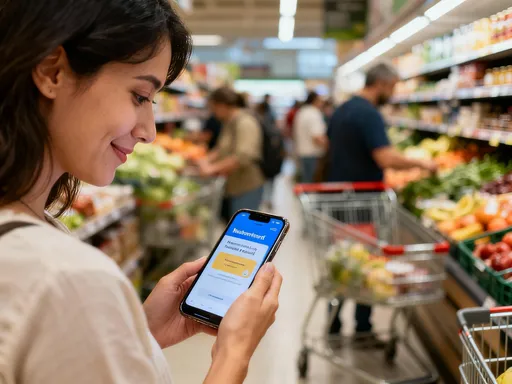
Once I accepted that bike availability wasn’t about luck, I started treating my rides like part of a daily dance—one that moves with the city’s energy. Instead of opening the app the moment I walked out the door, I began checking it earlier—15 minutes before I actually needed to leave. I’d sip my tea, glance at the screen, and watch the little bike icons shift across the map. It became a quiet ritual, like checking the weather or packing a reusable bag.
What I noticed was beautiful in its simplicity: bikes flow like water. In the morning, they surge toward downtown, pulled by the tide of commuters. By midday, a few trickle out to cafes or errands. But the real return wave happens in the late afternoon and early evening, when bikes drift back to residential zones, libraries, and grocery stores. If I wanted a bike in the morning, I needed to be near the incoming flow. If I was returning one, I’d aim for a station that was likely to fill up by evening—so someone else could use it the next day.
This awareness changed everything. I started timing my errands around the flow. Need to pick up dry cleaning? Do it after 4 p.m., when bikes are returning. Have a morning meeting downtown? Check the app at 7:45 a.m. and head to a transit-adjacent dock. I even began saving favorite stations in different zones—downtown, midtown, and my neighborhood—so I could switch seamlessly. It wasn’t about memorizing maps or becoming a data expert. It was about paying attention, like noticing when the birds start migrating or when the hydrangeas bloom. The city was speaking; I just learned how to listen. And once I did, I was almost never stranded. That sense of reliability? It’s priceless.
The One Setting That Changed Everything
Here’s something most people don’t do: they only open the bike-share app when they need a bike. And that’s exactly when it’s too late. I was guilty of this for months—rushing out, unlocking my phone, and hoping for the best. Then one morning, I stumbled on a tiny feature buried in the app’s settings: low-battery alerts for docking stations.
At first, I didn’t understand why it mattered. But then I read the explanation: when a dock’s battery is low, it usually means maintenance is coming soon—and when maintenance comes, they refill the station with bikes. So a low-battery alert isn’t just a tech warning—it’s a signal that fresh bikes are on the way. I turned on the notifications, and within days, it changed how I ride.
Now, if I get a ping saying a nearby station is due for service, I know it’s about to be stocked. I might not need a bike right then, but I make a mental note. If I’m heading that way later, I time my trip to arrive shortly after the expected refill. It’s like getting a personal heads-up from the city’s operations team. I’m no longer reacting—I’m planning. This small shift, from passive user to informed rider, cut my average wait time by more than half. And the best part? It costs nothing. No subscription, no extra steps—just turning on a setting I never even knew existed.
Think of it like this: your phone already knows so much about your life. Why not let it help with the little things, too? This one alert didn’t just save me time—it gave me confidence. I no longer worry about showing up to an empty dock. I know the system, and I know how to work with it. That’s the real power of technology: not doing everything for us, but giving us the quiet tools to do things better, on our own terms.
Avoiding the “Last-Minute Panic” Trap
We’ve all been there—running late, grabbing our bag, stepping outside, and only then opening the bike app. The screen loads. Red dots everywhere. No bikes in sight. That’s the “last-minute panic” trap, and I fell into it more times than I’d like to admit. It’s stressful, it throws off your whole day, and worst of all, it’s completely avoidable.
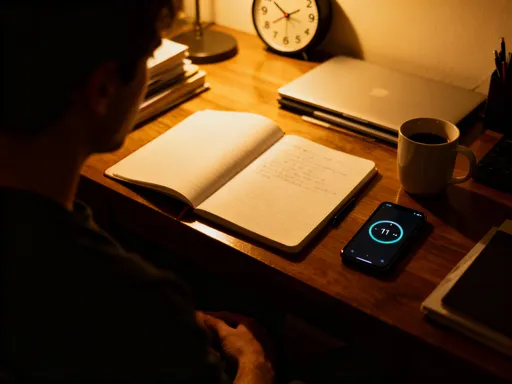
My turning point came after missing a yoga class—not because I didn’t want to go, but because I waited until the last minute to check for a bike. By the time I got to the studio, class had started, and I had to sit through meditation feeling flustered and frustrated. That night, I decided to change my routine. Instead of waiting until I was out the door, I started checking bike availability the night before—especially during fall and winter.
Now, before I go to bed, I open the app and look at my usual route. I check my primary station and two backups. If they’re low, I adjust my plan—maybe I’ll leave 10 minutes earlier, or choose a different starting point. Sometimes, I even send myself a quick reminder: “Bike at Station B—leave by 8:15.” It takes less than a minute, but it saves me so much stress the next morning.
And here’s a little trick I love: I check the app while I’m brushing my teeth in the morning. It’s a habit I already have, so adding a quick glance at the bike map feels natural. If something’s changed overnight—maybe a station got emptied during the night—I can adapt before I even put on my shoes. This tiny ritual has prevented so many late arrivals. It’s not about perfection; it’s about preparation. And the peace of mind that comes with knowing you’re ready? That’s worth more than any shortcut.
What Rainy Days Taught Me About Backup Plans
One October afternoon, I got caught in a sudden downpour. I’d checked the weather that morning—it was supposed to be clear. But by 3 p.m., the sky turned gray, and within minutes, rain was pouring down. I ran to the nearest bike dock, only to find it empty. I checked the app—every station within ten blocks was red. Everyone else had the same idea: quick ride, stay dry. But the bikes were gone.
I ended up waiting 20 minutes under a bus stop awning, soaked and annoyed. That day taught me a hard lesson: weather changes everything. When it rains, wind picks up, or snow starts to fall, bike demand spikes—but not in a predictable way. People rush to grab the last dry ride, and within minutes, the system is drained. And if you’re counting on that one option, you’re setting yourself up for disappointment.
So I made a new rule: always have a backup. Now, I pair my bike app with the city’s public transit tracker. If rain is in the forecast, I check both systems the night before. I look at bus and subway options along my route, just in case. Sometimes, I even save a transit route in my phone as a “Plan B.” It doesn’t mean I’ll use it—but knowing it’s there calms my mind.
This habit has saved me more than once. Last month, a surprise storm hit during my daughter’s piano recital. I knew the bikes would be gone by the time I left, so I checked the subway app on my way out. Took the train instead, stayed dry, and got home on time. No stress, no panic. Just a smooth transition. Life is full of surprises, but our plans don’t have to be fragile. By linking two simple tools—bike share and public transit—I’ve built a more resilient way to move through the city. And that’s not just smart. It’s empowering.
Smarter Riding, Not Harder Living
Looking back over the past year, I’ve ridden nearly 300 miles on shared bikes. But the real journey wasn’t just physical—it was mental. I went from feeling frustrated and out of control to feeling prepared, confident, and connected to my city. What changed wasn’t the technology. The app was always there, with the same features, the same map, the same data. What changed was me—how I used it, how I thought about it, and how I let it support my life instead of complicate it.
The biggest lesson I’ve learned is this: technology works best when it fades into the background. It shouldn’t demand our attention; it should earn it by making things easier. The bike-share app didn’t become more powerful—it became more useful, because I started using it with intention. I stopped treating it like a magic button and started seeing it as a tool—one that rewards observation, planning, and a little patience.
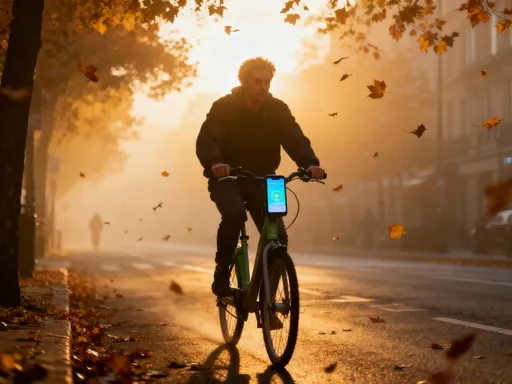
Now, riding feels like part of my rhythm, not a disruption. I check the app the night before. I watch the flow of bikes like I’d watch the tides. I use notifications to stay ahead. I have backups ready. And when everything aligns—when I glide through the crisp fall air on a perfectly timed ride, arriving exactly when I planned—I feel a quiet kind of joy. Not excitement, not thrill, but peace. The peace of knowing I’m in sync with my city, my schedule, and myself.
That’s the real gift of smart tech—not doing more, but living better. It’s not about chasing the newest gadget or the fastest app. It’s about using what you already have, in a way that brings calm, clarity, and control back into your day. Because when the little things work smoothly, the big things—family time, self-care, peace of mind—finally get the space they deserve. And that? That’s not just convenience. That’s freedom.